
The Role of CT Scan for Lung Cancer: A Comprehensive Guide to Early Detection and Diagnosis
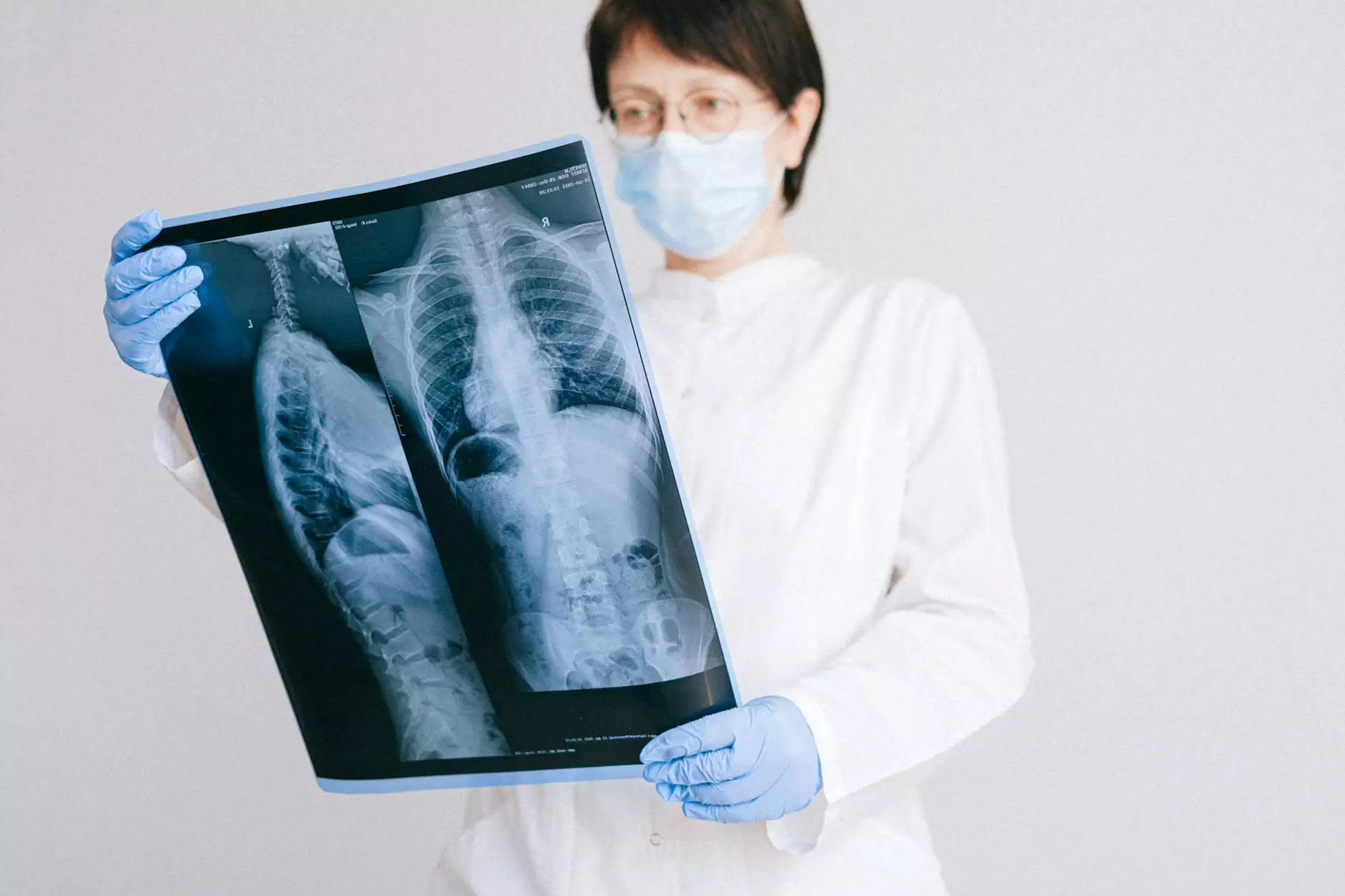
Lung cancer remains one of the most prevalent and deadly cancers worldwide, accounting for a significant percentage of cancer-related mortality. The key to improving survival rates lies in early detection, which can dramatically increase treatment options and effectiveness. Among the advanced imaging modalities available, the Computed Tomography (CT) scan stands out as a pivotal tool in identifying lung cancer at its earliest stages. This article delves into the vital role of CT scan for lung cancer, exploring how it works, its benefits, and why timely screening is essential for patients at risk.
Understanding Lung Cancer and Its Impact
Lung cancer is characterized by uncontrolled growth of abnormal cells in the lungs. It can be broadly classified into two types: small cell lung cancer (SCLC) and non-small cell lung cancer (NSCLC), with NSCLC being more common. Symptoms often appear only when the disease progresses, making early detection challenging yet critical.
Factors increasing the risk of lung cancer include smoking, exposure to secondhand smoke, occupational hazards (such as asbestos), genetic factors, and environmental pollution. Given the silent progression of early-stage lung cancer, proactive screening methods are vital for at-risk populations.
The Technology Behind CT Scan for Lung Cancer
A CT scan — or computed tomography scan — utilizes X-ray technology combined with sophisticated computer processing to generate detailed cross-sectional images of the lungs and chest cavity. Unlike traditional X-rays, which provide a flat, two-dimensional image, CT scans offer a three-dimensional perspective, revealing finer details of lung tissues.
During the procedure, the patient lies on a motorized bed that passes through a large, doughnut-shaped scanner. The device captures multiple images from different angles, which are then reconstructed by a computer into highly detailed images. This process allows radiologists to detect even small nodules or abnormalities that might indicate early lung cancer.
Why CT Scan for Lung Cancer Is Considered the Gold Standard for Screening
The utilization of CT scan for lung cancer has been backed by extensive research and clinical guidelines, establishing it as the gold standard in screening for high-risk individuals. Here are some compelling reasons why:
- High Sensitivity for Early Detection: CT scans can identify tiny nodules as small as 2-3 millimeters, often invisible on standard X-rays. Detecting these early allows for intervention before the disease progresses.
- Accurate Localization and Characterization: Detailed images help differentiate benign from malignant lesions based on size, shape, location, and density.
- Non-invasive and Quick: The procedure is relatively quick, usually completed within 15 minutes, and is non-invasive, providing a safe way to assess lung health.
- Guides Biopsy and Treatment Planning: Precise imaging enables physicians to target suspicious areas for biopsy, enhancing the accuracy of diagnosis and informing treatment strategies.
Who Should Consider a CT Scan for Lung Cancer?
The primary candidates for CT scan for lung cancer screening are individuals at high risk. According to current guidelines, these include:
- Age: Adults aged 55 to 80 years.
- Smoking History: Current or former smokers with a history of at least 30 pack-years (e.g., smoking one pack per day for 30 years). Former smokers should have quit within the past 15 years.
- Asymptomatic Individuals: Screening is recommended for those without symptoms but with elevated risk factors.
- Occupational or Environmental Exposure: People exposed to carcinogens such as asbestos, radon, or diesel fumes.
It’s essential to consult with healthcare professionals to determine individual risk and the appropriateness of screening.
The Process and Preparation for a CT Scan for Lung Cancer
Preparing for a CT scan for lung cancer involves several straightforward steps:
- Medical History Review: Inform your doctor about allergies (especially to contrast dye if used), recent illnesses, or medications.
- Fasting: Typically, no fasting is required unless contrast dye is administered.
- Clothing and Accessories: Wear comfortable, loose clothing without metal fasteners or jewelry to avoid interference with images.
- Contrast Material: Sometimes, a contrast dye is given orally or intravenously to enhance image clarity. Inform your doctor if you have kidney issues or allergies to contrast agents.
The actual scan is painless, and patients are advised to remain still and hold their breath momentarily to ensure image clarity.
Interpreting the Results of a CT Scan for Lung Cancer
Following the scan, radiologists analyze the images to identify suspicious nodules or masses. They assess:
- Size and Shape: Larger or irregularly shaped nodules may warrant further investigation.
- Location: Certain locations on the lung may affect treatment options.
- Density: Solid versus part-solid versus ground-glass opacities.
- Growth Rate: Comparing with previous scans helps assess progression.
If abnormal findings are detected, further diagnostic procedures such as biopsy or PET scans are usually recommended to establish a definitive diagnosis.
Benefits of Early Detection via CT Scan for Lung Cancer
Early detection of lung cancer through screening with CT scans offers numerous benefits:
- Increased Survival Rate: Identifying cancer at an early, localized stage significantly improves treatment outcomes.
- Expanded Treatment Options: Less invasive surgeries or targeted therapies may be possible.
- Reduction in Advanced Disease: Prevents progression to more advanced, less treatable stages.
- Peace of Mind: Regular screening provides reassurance for high-risk individuals.
Limitations and Risks Associated with CT Scan for Lung Cancer
Despite its advantages, the CT scan for lung cancer is not without limitations:
- False Positives: Small benign nodules may be mistaken for malignant ones, leading to unnecessary anxiety or invasive procedures.
- Radiation Exposure: Repeated scans involve cumulative radiation; however, the benefits typically outweigh the risks in high-risk populations.
- Overdiagnosis: Detecting indolent tumors that may never cause harm can sometimes lead to overtreatment.
It is essential to discuss individual risks and benefits with your healthcare provider to make informed decisions.
Role of Healthcare Providers and Facilities in Lung Cancer Screening
Reputable healthcare institutions, such as hellophysio.sg, offer comprehensive services for lung cancer screening. Qualified radiologists and pulmonologists use state-of-the-art CT scan technology to ensure accurate diagnosis and follow-up.
In addition to technological excellence, these facilities provide:
- Thorough risk assessments
- Personalized screening schedules
- Expert interpretation of imaging results
- Guidance on further diagnostic steps or treatments
Preventive Measures and Lifestyle Modifications
While screening is crucial, preventive strategies also play a vital role in reducing lung cancer risk:
- Smoking Cessation: Eliminating tobacco use is the most significant step.
- Healthy Diet: Consuming fruits, vegetables, and antioxidant-rich foods may offer protective benefits.
- Environmental Safety: Avoid exposure to occupational hazards and pollutants.
- Regular Check-ups: Routine health assessments facilitate early intervention for various respiratory issues.
Conclusion: Prioritize Early Detection with Advanced Imaging
The CT scan for lung cancer is a cornerstone in modern preventive medicine, exemplifying how advanced imaging technology saves lives through early, accurate detection. For high-risk individuals, timely screening can mean the difference between an early cure and late-stage treatment. If you belong to a risk group, consult with healthcare professionals about the appropriate screening protocols and ensure that you leverage the best available technology at trusted facilities like hellophysio.sg.
Remember, proactive health management and early detection are your strongest allies in fighting lung cancer. Stay informed, stay vigilant, and prioritize your lung health today.


